 University of Texas at Austin
 College of Liberal Arts
Texas Beyond History (TBH) is a public education service of the Texas Archeological Research Laboratory (TARL) at the University of Texas at Austin, developed in collaboration with many other organizations. Begun in 2001, our enduring mission is to share the results of archeological and historical research on the cultural heritage of Texas.
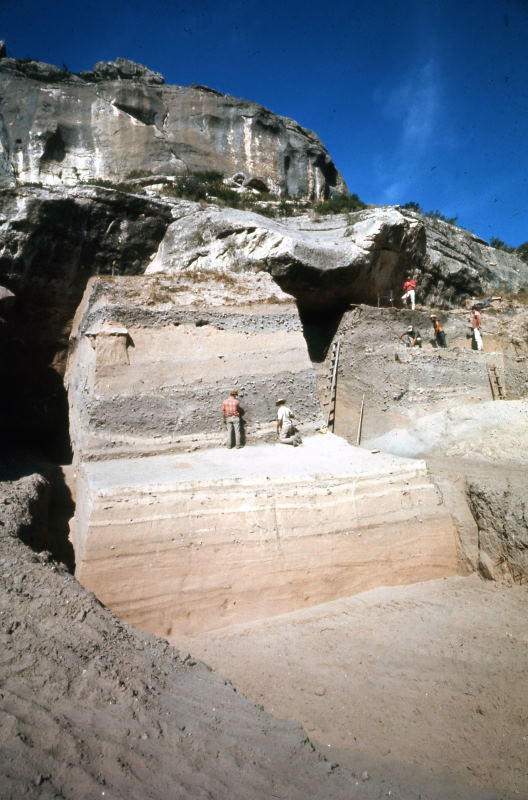
In this virtual museum you will learn about the multifaceted 15,000 year (or more) human legacy of the region known today as Texas. That is over 600 generations of people! No written history, books, or recorded eyewitness accounts exist for the vast majority of that immense time span. These unrecorded chapters of Texas’ cultural heritage are told with mute stones, ancient campfires, broken bones, and delicate traces of once-flourishing societies. This is the material evidence, the artifacts and features, upon which archeologists base most of their interpretations.
The arrival of the first Spanish explorers in Texas in 1528 marks the beginning of Texas’ historic era, defined by the existence of written documents and drawings, upon which historians depend. Texas Beyond History covers not only the prehistory (before written documents) and history of Texas' diverse Native peoples, but also the early history of the Spanish, French, Mexican, and Anglo explorers, missionaries, soldiers, miners, traders, and settlers. And more recent history, too—that of German farmers, Black freedmen, and Mexican-American laborers.
Complementing the archeological and written historical record are oral histories passed from generation to generation and ethnographic accounts. These sources can impart invaluable and often-intangible information, such as cosmological beliefs, traditional uses of plants and other materials of the natural world, and how Native peoples and others shaped and settled Texas’ diverse landscapes.
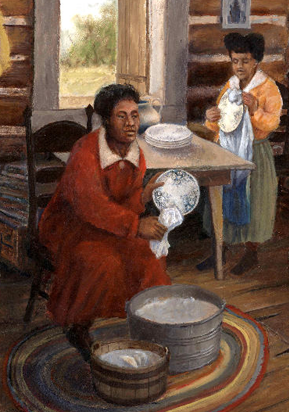
Our collective cultural heritage is complex, fascinating, and sometimes painful to recount. The sixteenth-century arrival of the Spanish, for instance, marks the beginning of over three-hundred years of often-brutal conflict between Texas’ Native peoples and the mainly European-derived immigrants. In a few short centuries, much of the Native population of Texas was decimated, and as a result, many oral histories and traditions were lost. However, some stories and traditions persist to this day, kept alive by the descendants of Native people who called this land home.
Texas Beyond History is unique in its breadth of archeological and historical information about the state. By focusing on the broad subject of Texas' cultural heritage, we overcome the traditional boundaries between the disciplines of archeology and history. Texas Beyond History also bridges the bureaucratic and political fences between institutions of higher education, state and federal agencies, museums, and private organizations. By working in partnership and collaboration with dozens and dozens of individuals, institutions, and organizations, we help tell the stories of the peoples who have settled the land we call Texas. To do that we rely on specialists, expert in their field, as well as the documents and images that color the stories of the past with meaningful context.
TBH Guide
Because Texas Beyond History is a massive compendium of Texas' archeology and history, an introduction to the different website features will help new users navigate its depths. The search tool at the top of most pages is a quick way to investigate TBH's 12,000+ pages and 30,000+ images.
The Site Explorer is a map-based feature which links to dozens of archeological site exhibits. It is a great tool for in-depth exploration of important sites in every region of the state.
Prehistoric Texas is a map-based regional interface which presents a geographic, environmental, historic and prehistoric overview for four Texas regions (and counting). Each regional exhibit set contains many short site pages (Historic Encounters and Ancient Places) not found on the Site Explorer, as well as timelines, kids' activities, and so much more!
The Special Exhibits section contains a variety of topical exhibits. For example, the Learning from Cabeza de Vaca Special Exhibit discusses the foods and food preparations of Native people as reported by the sixteenth-century shipwrecked Spaniard during his seven-year journey from the Texas Coast to Mexico City. Another Special Exhibit, Radiocarbon Dating Understood, explains the radiocarbon dating method to serious students of archeology and science lovers everywhere. Spotlight, a subsection of Special Exhibits, features remarkable items from TARL's collections as well as ongoing research at the lab.
The TBH Gallery is TBH's newest feature, going live in 2020. The Gallery highlights iconic artifacts and other physical materials illustrative of Texas´ cultural heritage. Whereas most TBH exhibits are centered on places, the Gallery focuses on particularly informative things—artifacts, natural materials, and patterned arrangements of things (archeological features). Check back for new additions to the Gallery!
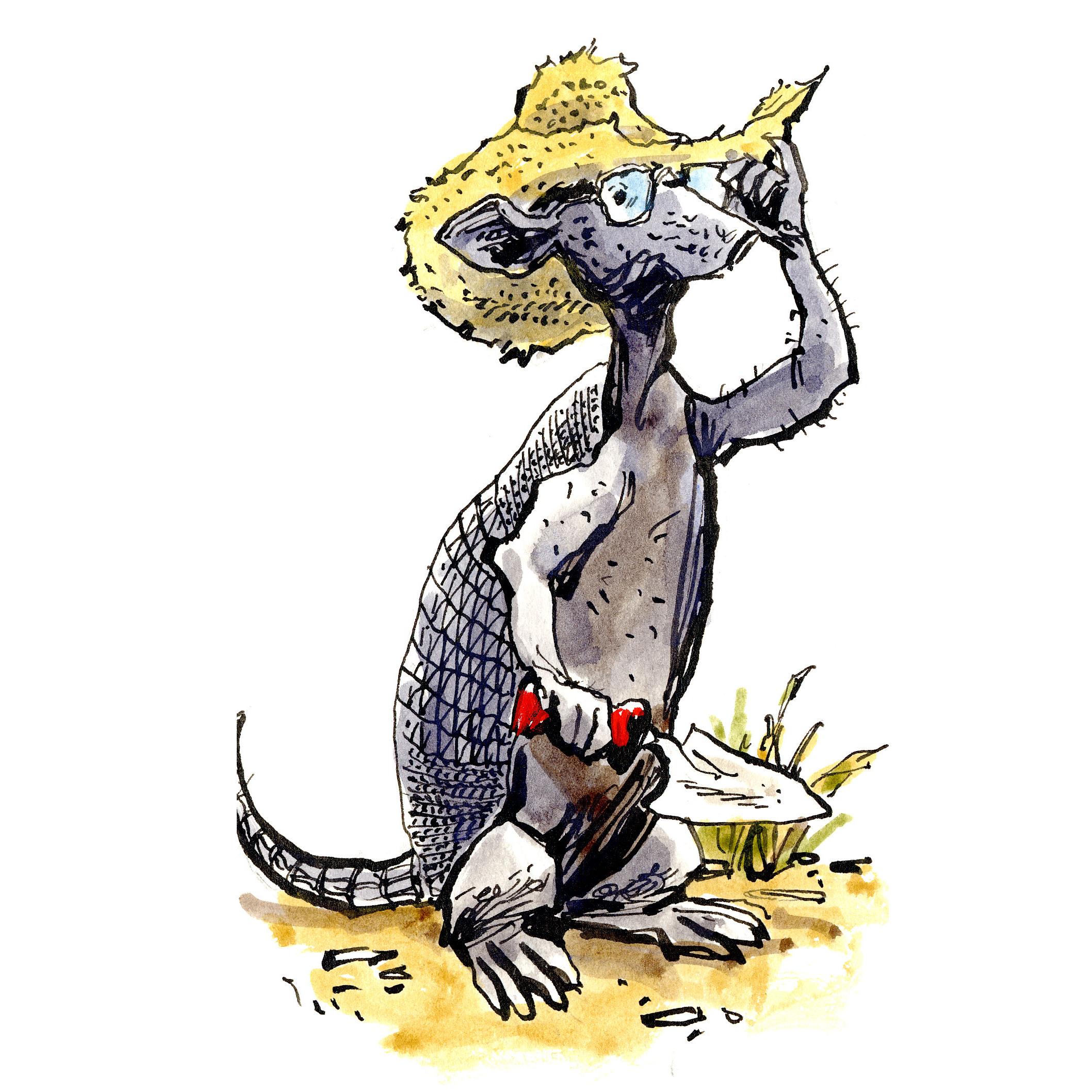
Texas Beyond History has long been a resource for kids and educators. The TBH Kids section contains activities and games, an illustrated archeology dictonary, and much more, all guided by Dr. Dirt, the armadillo archeologist! The Teachers section contains dozens of lesson and unit plans for Social Studies, Language Arts, Math/Science, and Art classes.
Want to stay up to date on TBH happenings? Follow us on Instagram for website highlights and new content announcements.
Texas Archeological Research Laboratory and TBH Staff
Founded in 1961, the Texas Archeological Research Laboratory (TARL) of the University of Texas at Austin is a nationally recognized archeological research facility and the largest archeological repository in the state. We are an organized research unit under the College of Liberal Arts at UT-Austin. Our mission is to collect, preserve, and curate archeological specimens and records, train students, conduct archeological research, and disseminate information about Texas' archeological legacy. As a repository, TARL safeguards the collections and records from literally thousands of archeological investigations conducted by UT-Austin and many other universities, state and federal agencies, and private firms across the state. Because we are not set up as a physical museum, Texas Beyond History serves as TARL's virtual museum and provides ready access to information and images about Texas archeology. Professor Fred Valdez of the Department of Anthropology is the TARL Director. TARL staff members support the website in many ways, from administration to collections and records management.
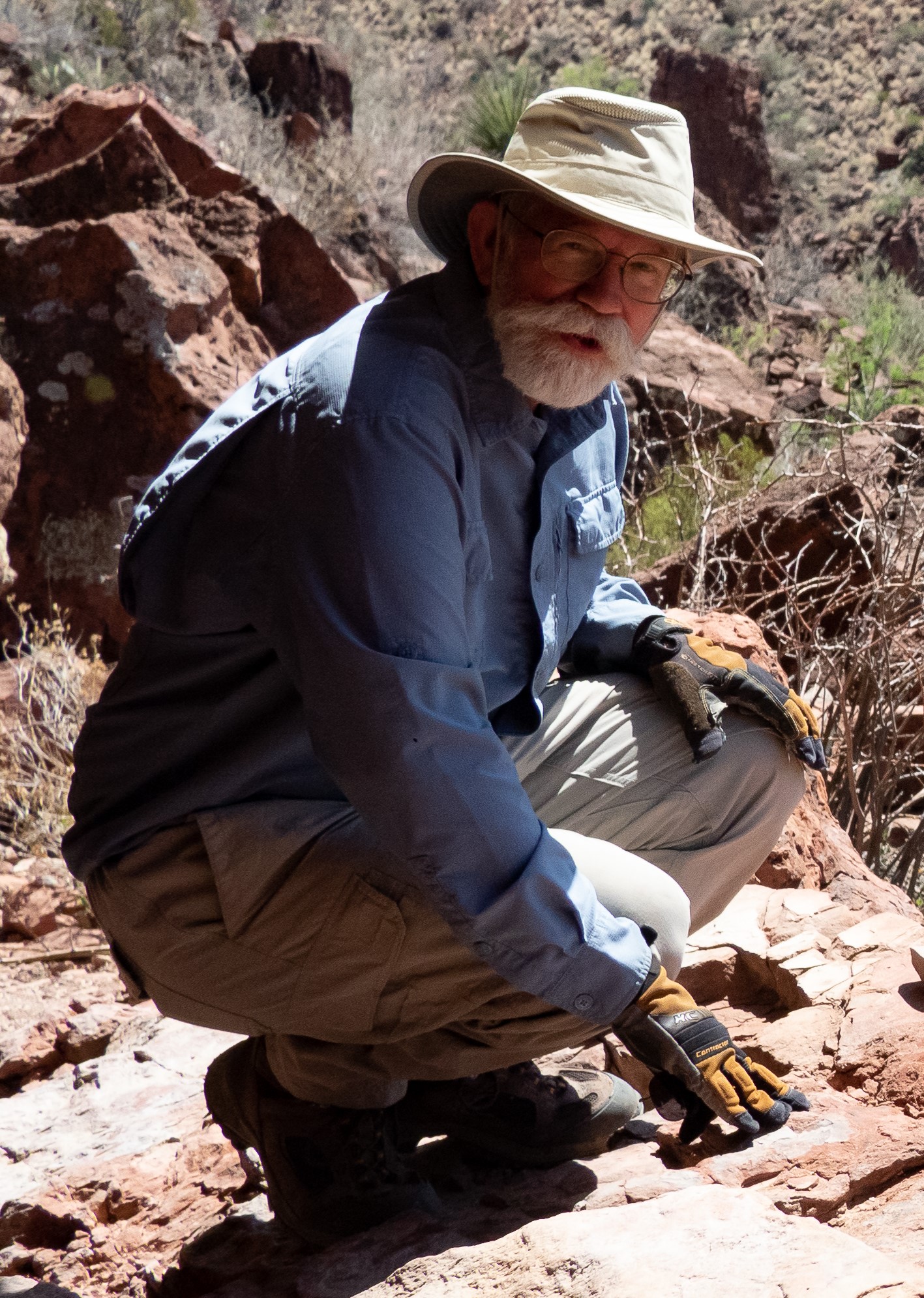
Steve Black is a founding Editor of Texas Beyond History. Today, he directs the virtual museum and is lead Editor. Steve holds a 1990 Ph.D. from Harvard University and has worked for more than four decades as a professional archeologist in Texas, Mesoamerica, and the Southwest. He grew up in Austin (BA 1976, UT-Austin) and lived and worked in San Antonio and parts south for many years while working at the Center for Archaeological Research at UT-San Antonio (MA 1983, UTSA). He is also a writer and author of many technical studies as well as popular articles on several subjects including archeology. He is the author (with Kevin Jolly) of Archaeology By Design (Altamira Press, 2003), a practical guide to the process of planning and carrying out successful archeological research projects. In 2008 Black joined the anthropology faculty at Texas State University where he taught and directed the Ancient Southwest Texas Project, a research program in the Lower Pecos Canyonlands of southwest Texas. Steve retired from Texas State as an associate professor in 2019 and today serves a research professor continuing his Lower Pecos investigations. At TARL Steve continues to be the passionate leader of TBH.
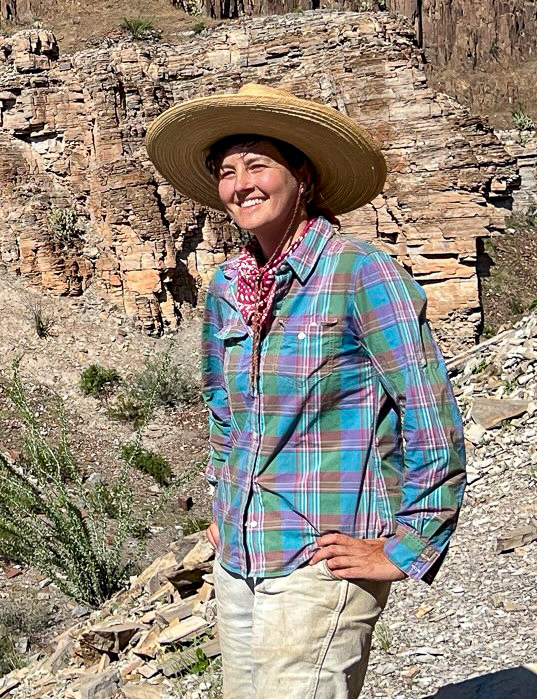
Emily McCuistion is Associate Editor of Texas Beyond History. Emily is an Austin native and received her 2008 BA in Anthropology from UT-Austin. After graduating, she moved west to begin her archeology career, spending the better part of a decade doing archeology in the Mojave Desert and Great Basin, Sierra Nevada mountains, and Alaska, working in National Parks and National Forests. She also spent half a year doing archeology in New South Wales, Australia. Her Texas return came with her involvement in the Ancient Southwest Texas Project at Texas State University and later enrollment in their graduate program. Emily studied radiocarbon dating in the Lower Pecos Canyonlands for her 2019 master´s thesis. Emily has contributed content to TBH since 2020, serving as Assistant Editor from 2021 to 2025.
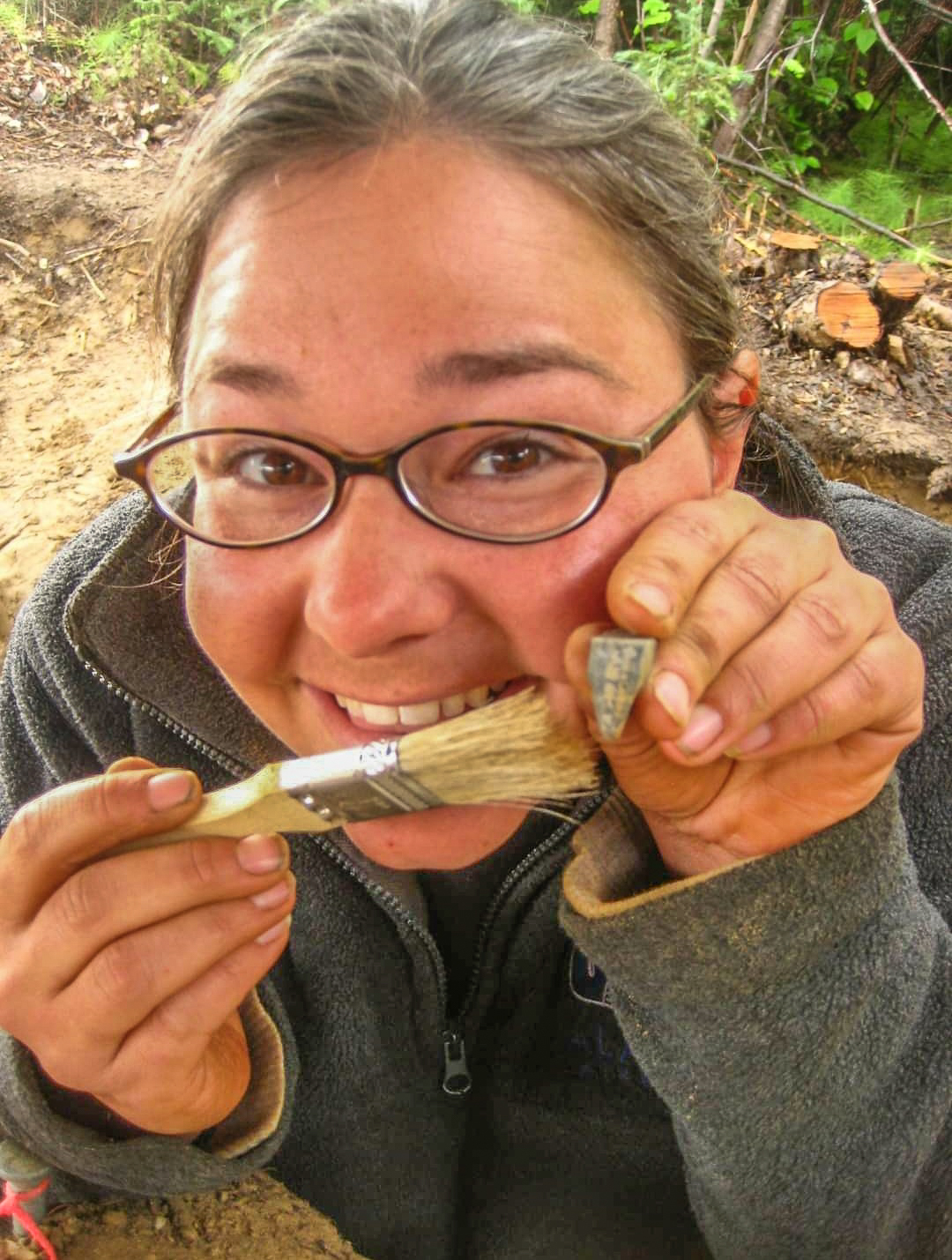
Heather Smith is Associate Editor of Texas Beyond History. Heather completed her M.A. in anthropology in 2010 and her Ph.D. from Texas A&M University in 2015. After teaching at Eastern New Mexico State University 2016-2020, she is now an assistant professor of anthropology at Texas State University where she continues her research on Clovis and other fluted points, Paleoindian behavior and technological adaptation. She also holds a B.A. in Photocommunications from St. Edwards University, where she received web and graphical training. For TBH, Heather has served as Web Developer since 2005, focusing on exhibit development, artistic design, and web programming. She also has created several K-12 interactives and contributes to research and writing. In her expanded role as Associate Editor, Heather is working with her students to create new TBH content, such as a forthcoming site exhibit on the famed Blackwater Draw site.
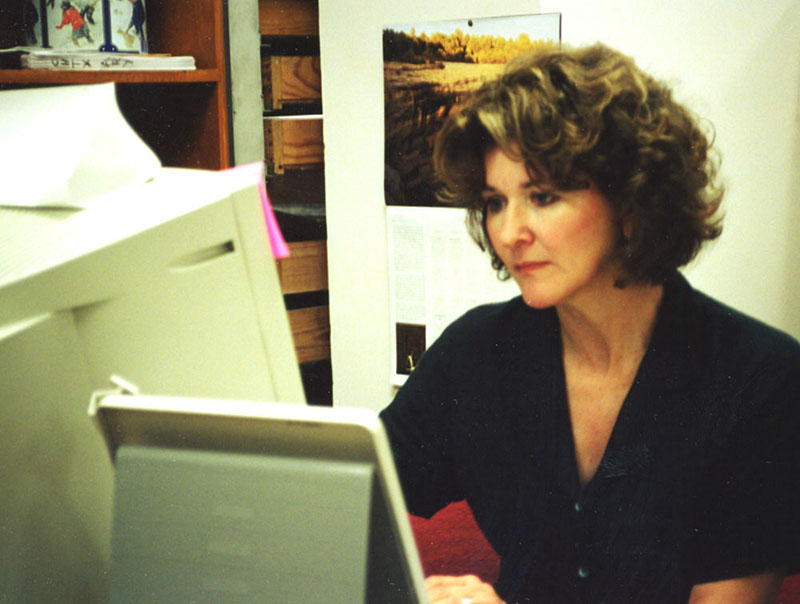
Susan Dial is founding Editor Emeritus of Texas Beyond History. She holds an MA in anthropology from UT-Austin and BA in journalism and has worked as a professional archeologist, newspaper reporter and editor. A fifth generation Texan who grew up in San Antonio, Dial has a keen interest in telling many of the little-known stories about Texas' history and prehistory. Her TBH role has overlapped with that of Steve Black's in conceptualizing, writing, and developing web exhibits. From 2008 to 2019 Dial was director and lead Editor of TBH. Dial also served as an Education Editor, creating many of the Kids Only sections and supervising development of curricula with the TBH Educational Consultants.
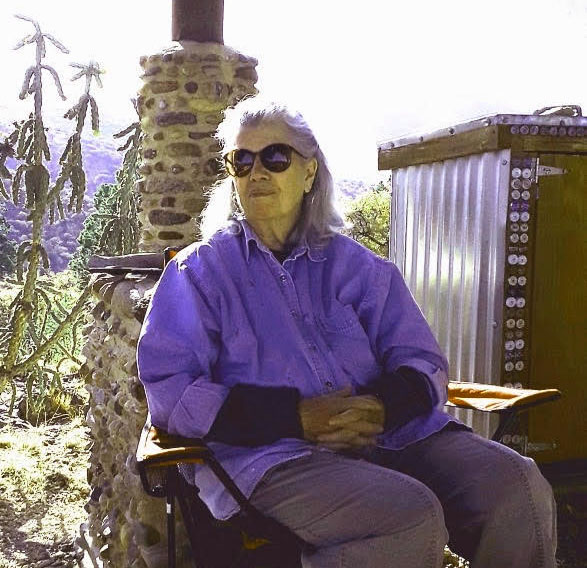
Carol Schlenk is Education Editor Emeritus of Texas Beyond History and has brought to the website her considerable experience as a classroom teacher, curriculum specialist, and teacher trainer as well as her work as education coordinator for the Texas Council for the Humanities. In addition to developing first-rate K-12 curricula for teachers, Carol has created interactive games and learning activities for students and has worked as a curriculum specialist with the Texas Education Agency. Carol has been instrumental in developing and promoting TBH content for K-12 students and teachers since 2005 and continues to consult for Texas Beyond History.
Major help in web development has also come from UT staff and students working through the College of Liberal Arts Instructional Technology Services (LAITS) under Joe TenBarge and Tim Fackler. Key LAITS staff who have helped develop and revamp Texas Beyond History include Stacy Vlasits, Suloni Robertson, and Ruben Garza. LAITS staff and student workers are credited in the Credits and Sources section of the individual exhibits they helped with.
The above-listed current staff are only a slice of the TBH pie, and a pie with many fingers in it at that. Individuals foundational or instrumental in TBH’s development over the last 20 plus years include Education Editors Laine Leibick and Mary Black, contributors Steve Dial and Ken Brown, website consultant Meg Kemp, and artists Charles Shaw, Nola Davis and Reeda Peel. Many others are listed in the Contributors section or appear in TBH History.
Contact Us
At Texas Beyond History we value what you have to say about our efforts—praise and criticism alike. And if you notice a mistake, large or small, let us know and we will do our best to fix it. Or perhaps you have a suggestion for how we might improve the website, or would like to request the use of an image from our site. Whatever the case, we want to hear from you:
Steve Black slblack@utexas.edu
The University of Texas at Austin
Texas Beyond History
Texas Archeological Research Laboratory
1 University Station R7500
Austin, TX 78712-0714